How digital changes me
The time has come to an end. Time of my journey on the digital business module (BEMM129) at the University of Exeter. This module gives me a wide range of understanding of how digital has disrupted our culture in the right way. Learning from a web-based environment and social media now becomes the usual way. Lea & Jones (2011) argue that today’s student heavily engaged with digital technologies from learning academic material to doing their-day-to-day activities. It can boost the quality of digital literacy in tertiary education such as the university.
Infographic: Digital Business Wrap-up
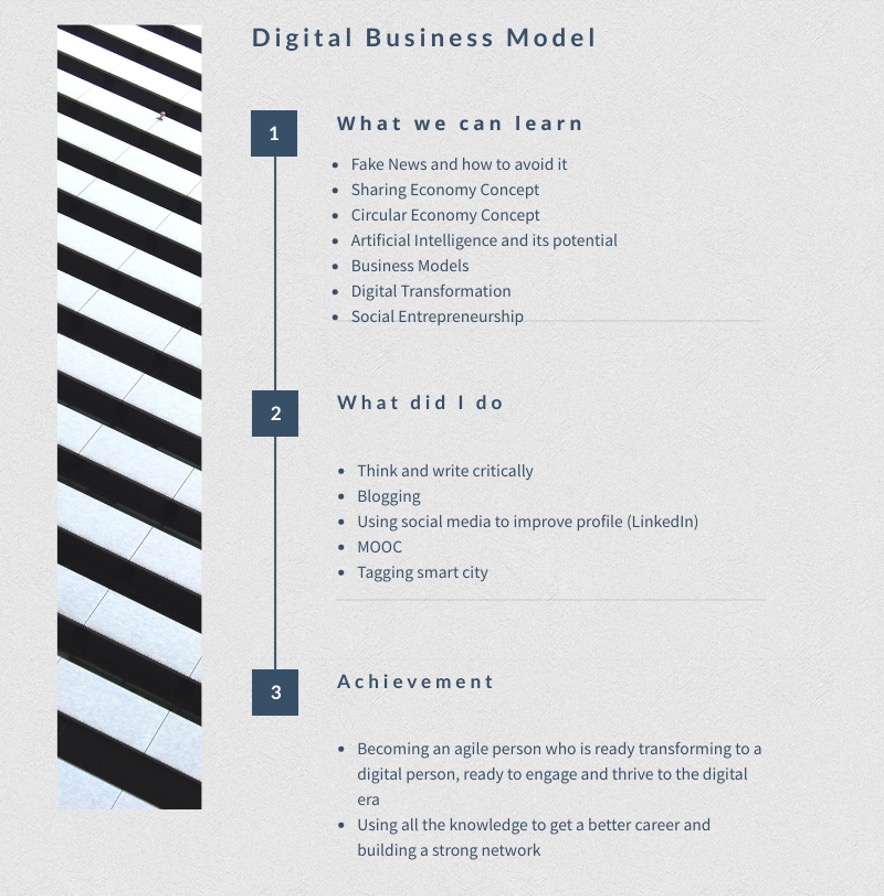

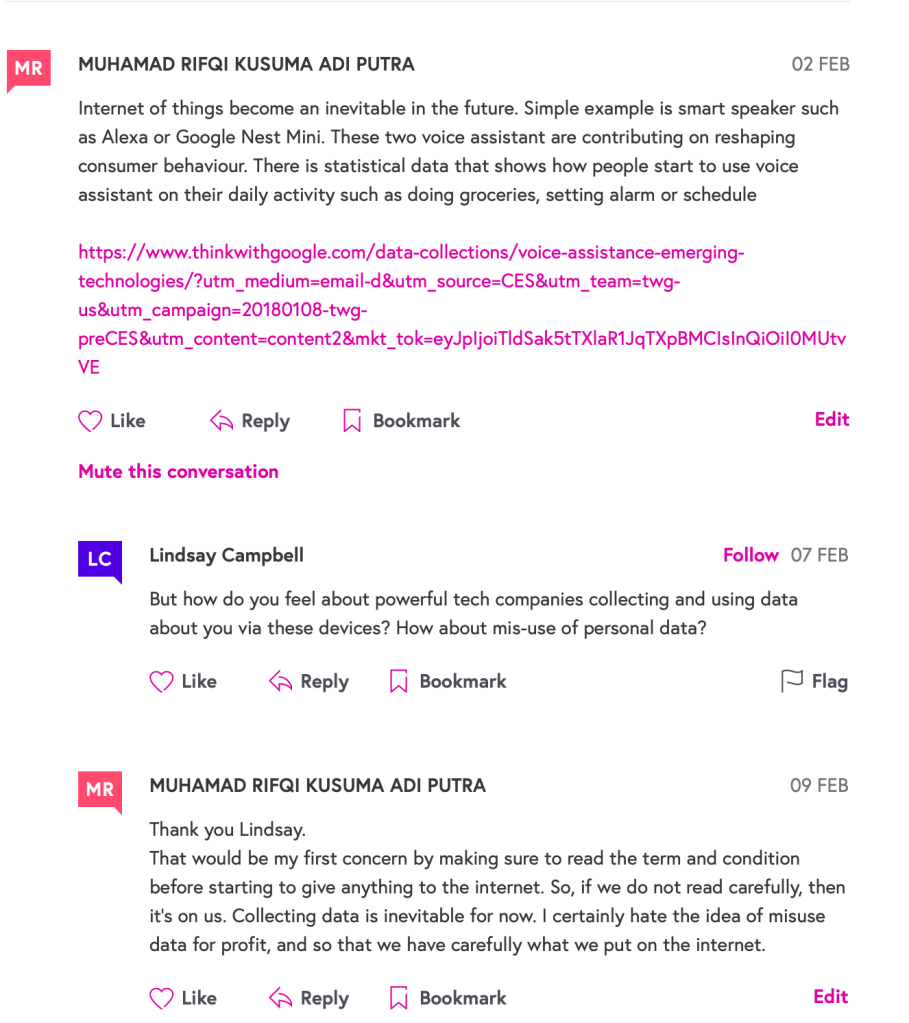
All of these materials have the same way of learning, which are investigate, interaction, analyze and develop the idea. This module has a unique design of learning since it involves both offline and active online resources to achieves its target. Learning about Artificial Intelligence (AI) on Massive Open Online Course (MOOC) and discussing with other people is fascinating. Like what I did with Lindsay on AI topic regarding data security. I also learn on how tagging and profiling smart city; thus people can see it also.
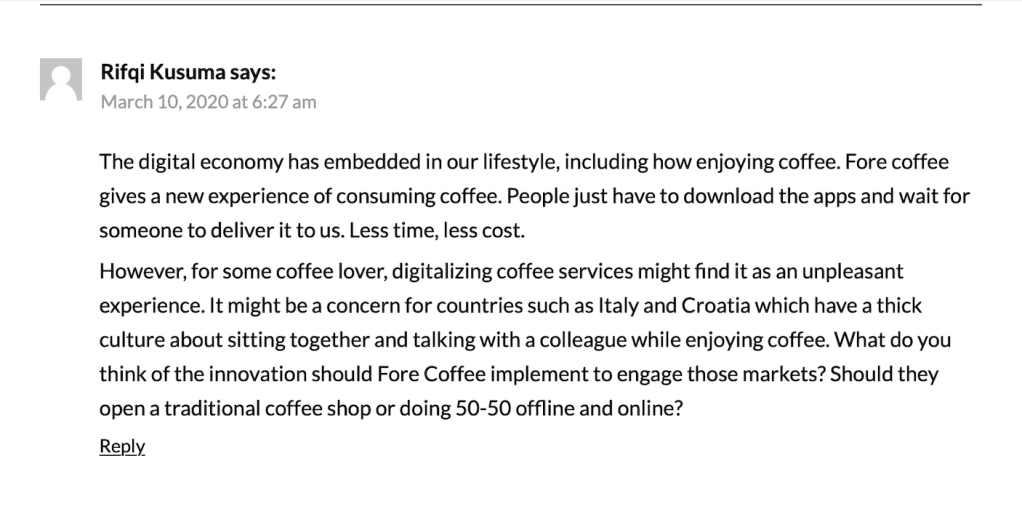
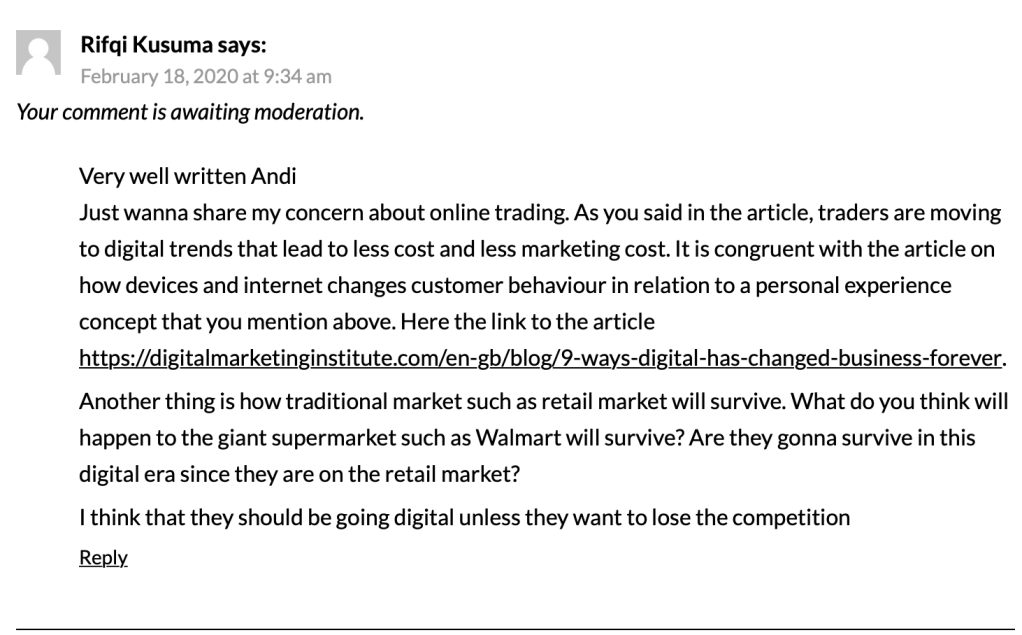
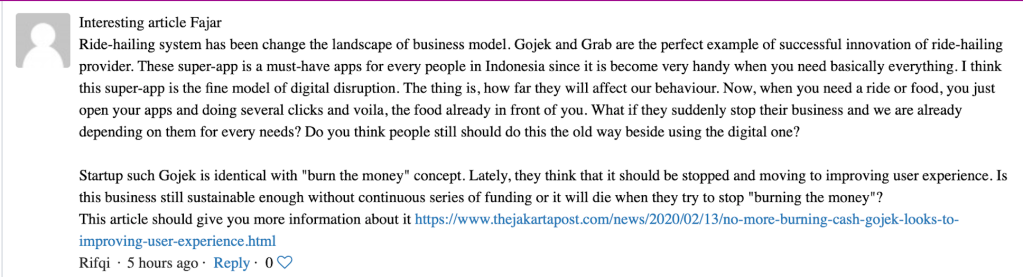
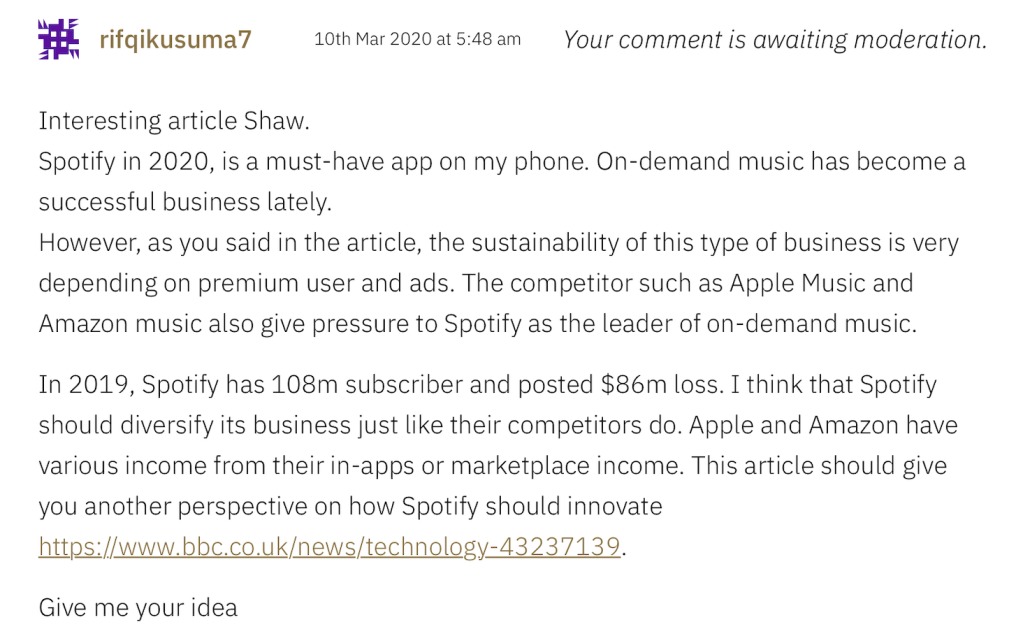
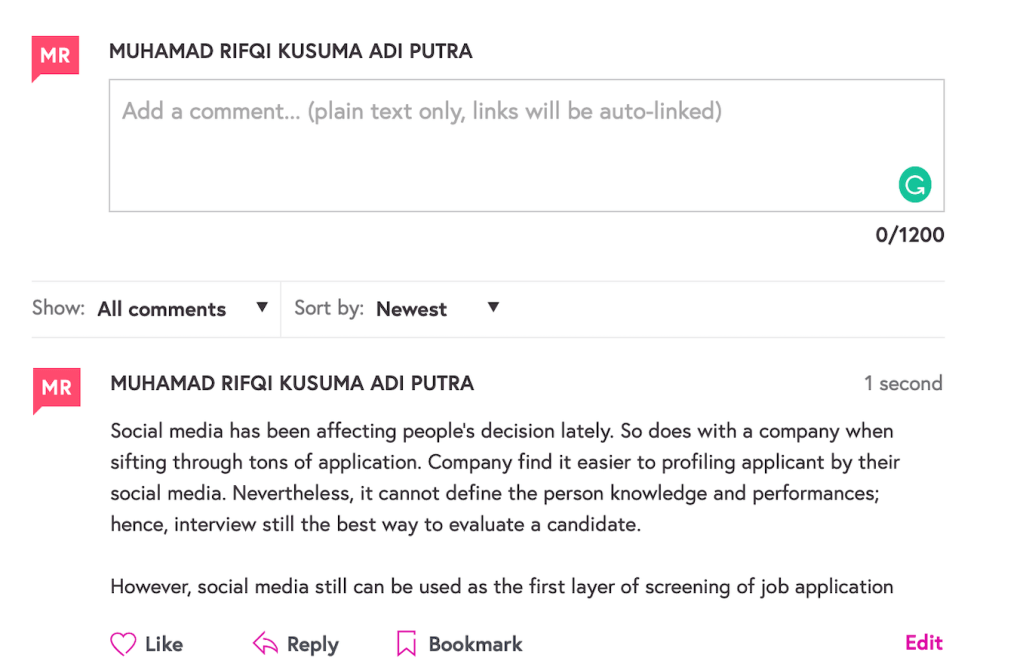
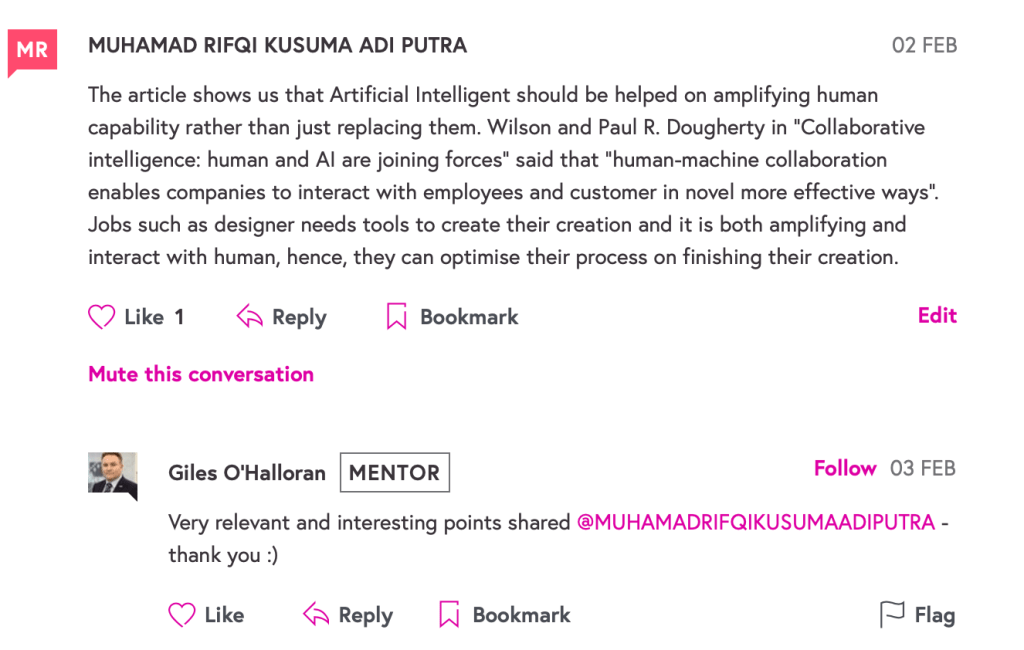
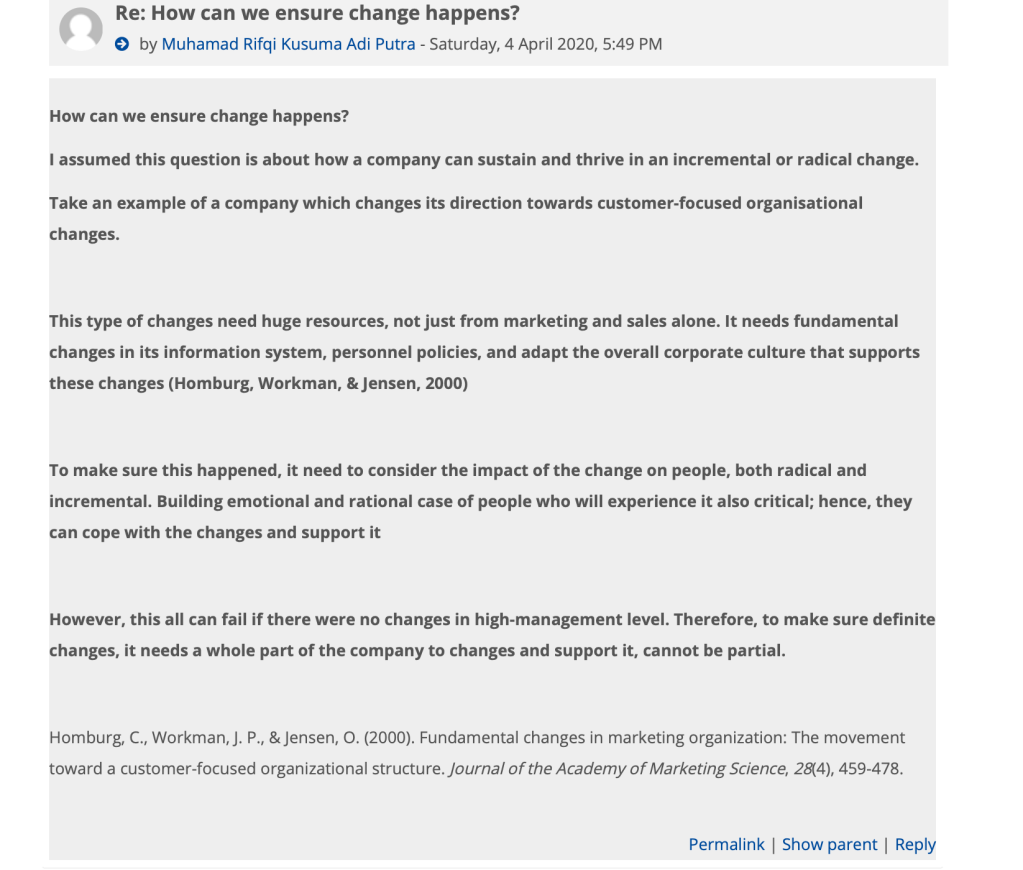
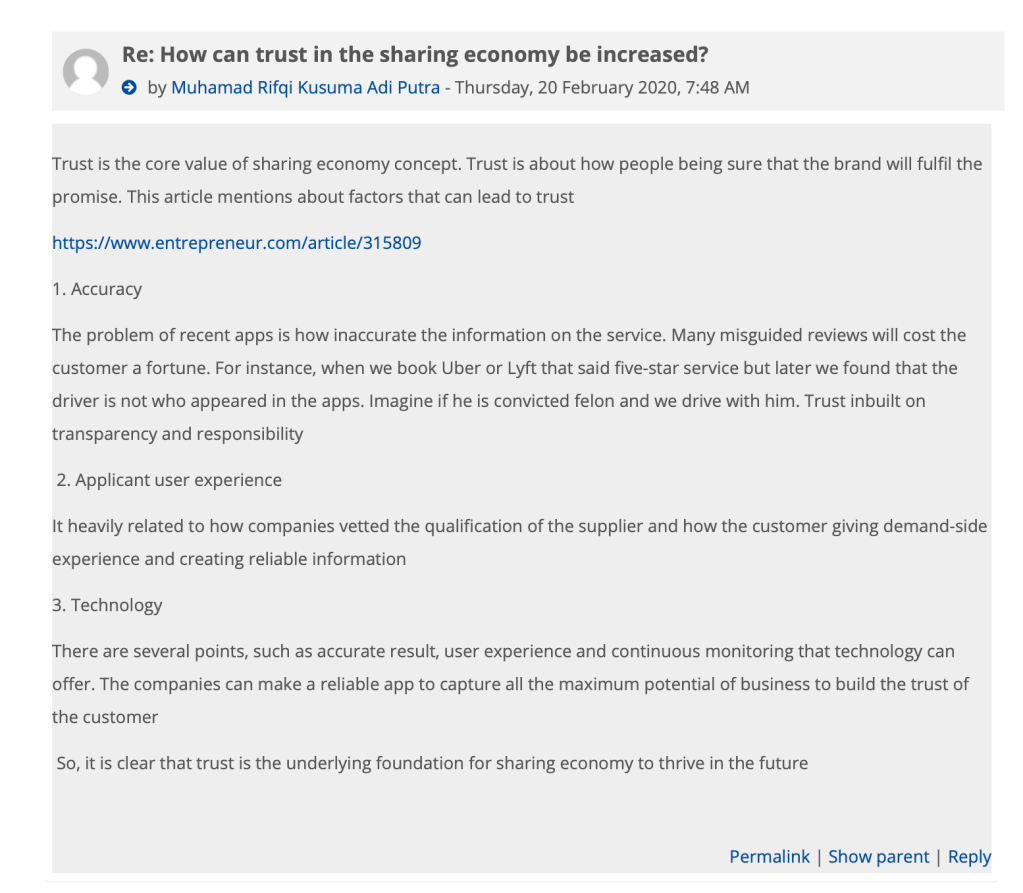
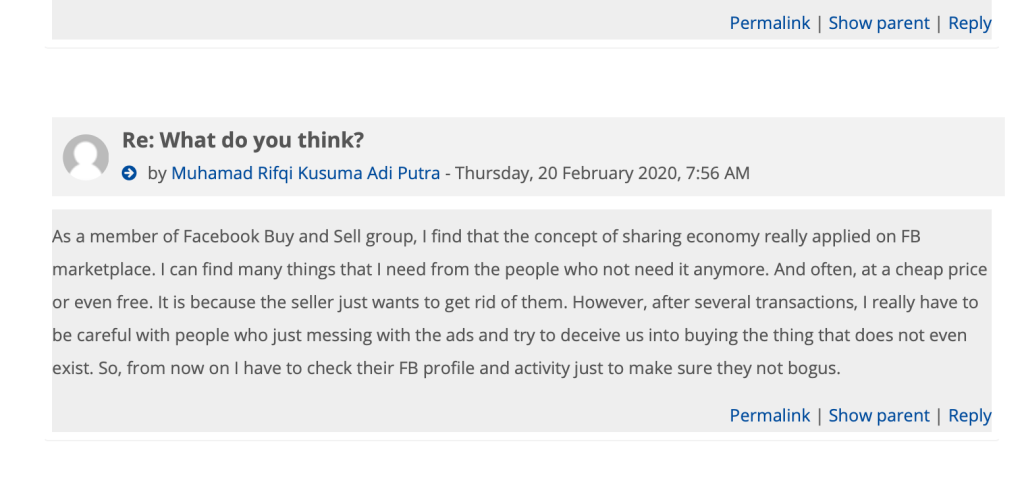
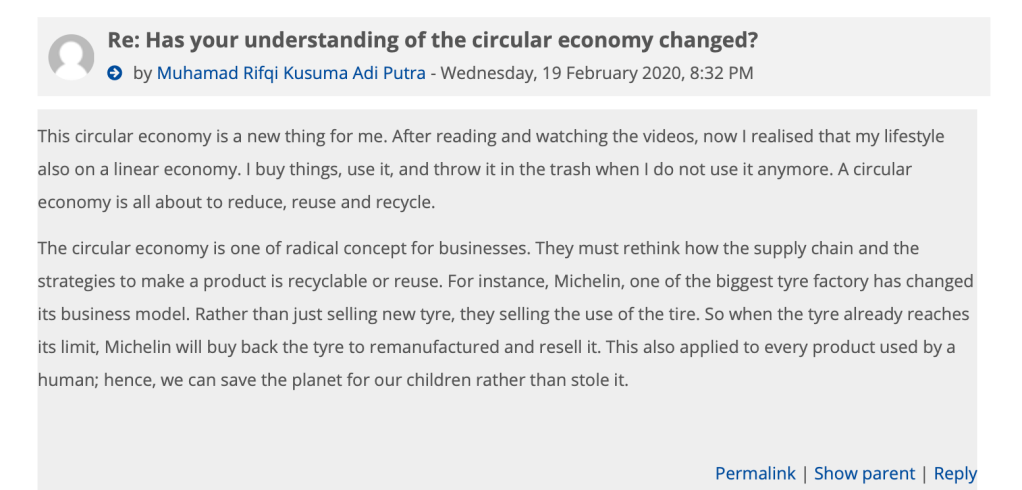
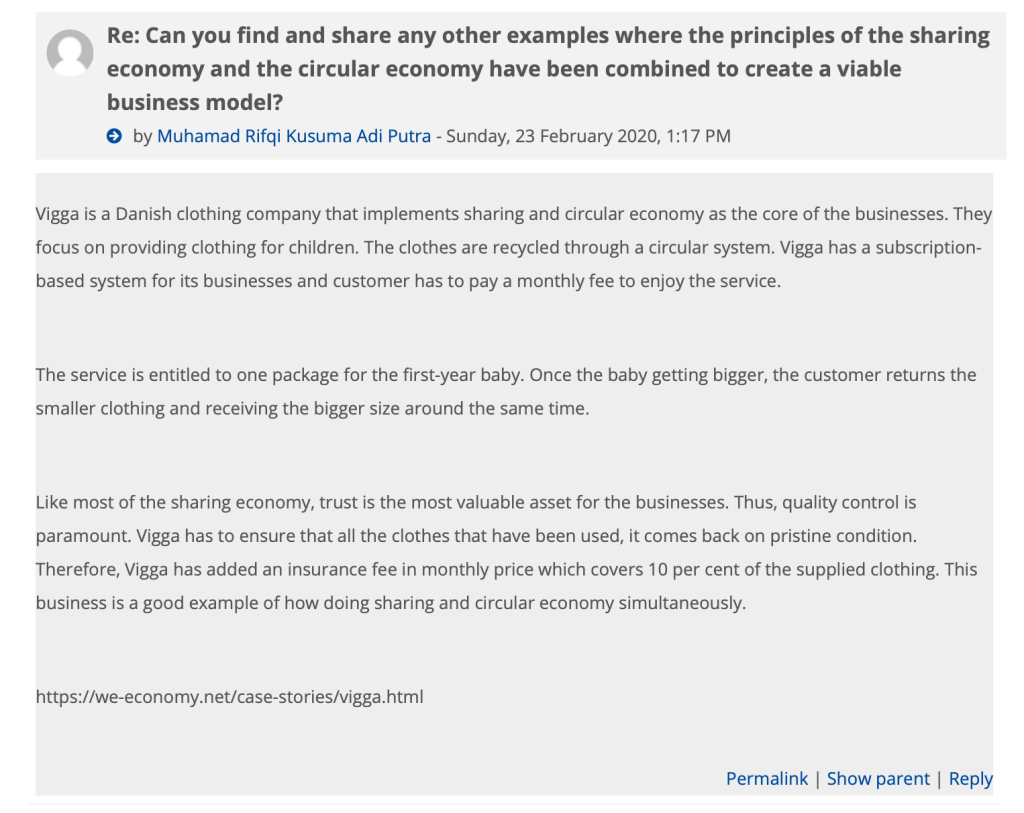
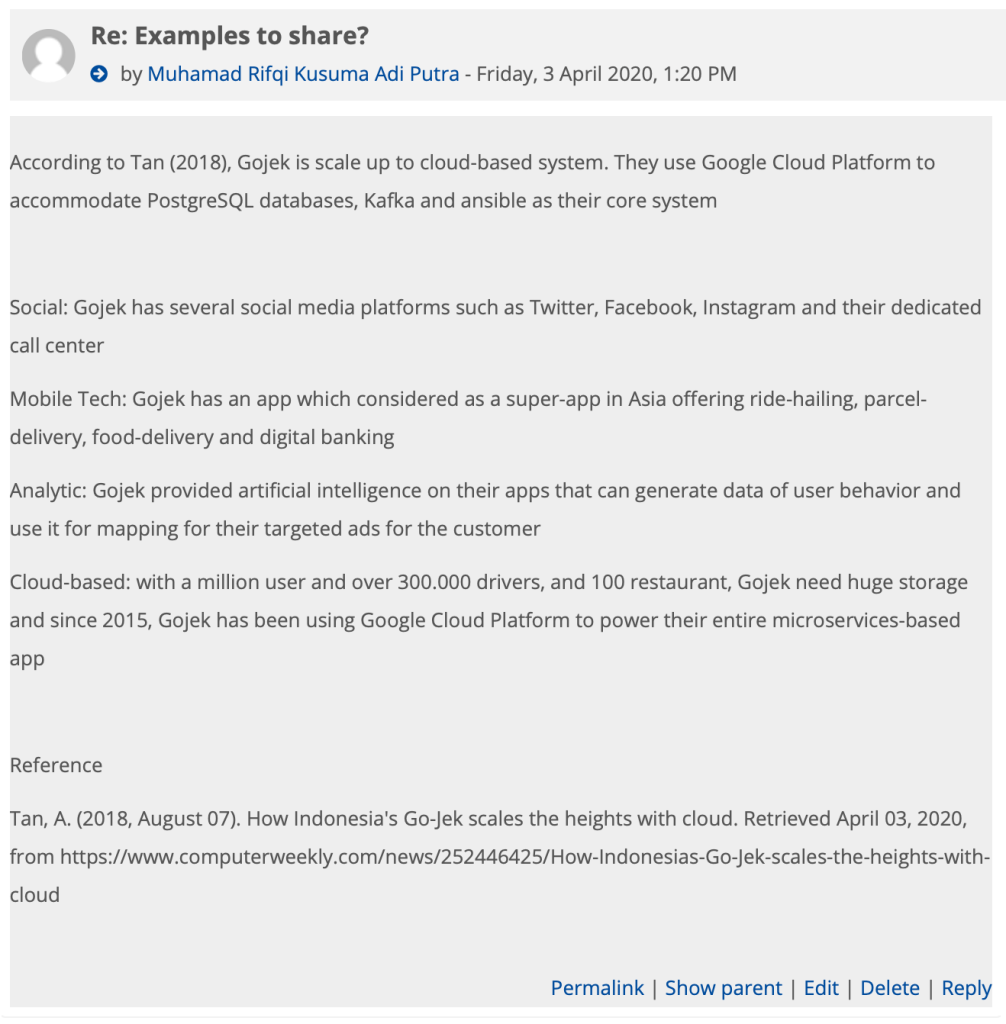
Discussing between colleagues is an effective way of learning. Through commenting on other’s blog post give us more opportunity to pull the topic further and more in-depth analysis. Here some comment that I made on my colleague blog post or MOOC:

Learning how sharing economy should become the fundamental of the economy in the future is priceless. Uber and Airbnb were the most successful example of sharing economy platform. It teaches us that business should care more about nature, not just profit.
Contribution on ELE
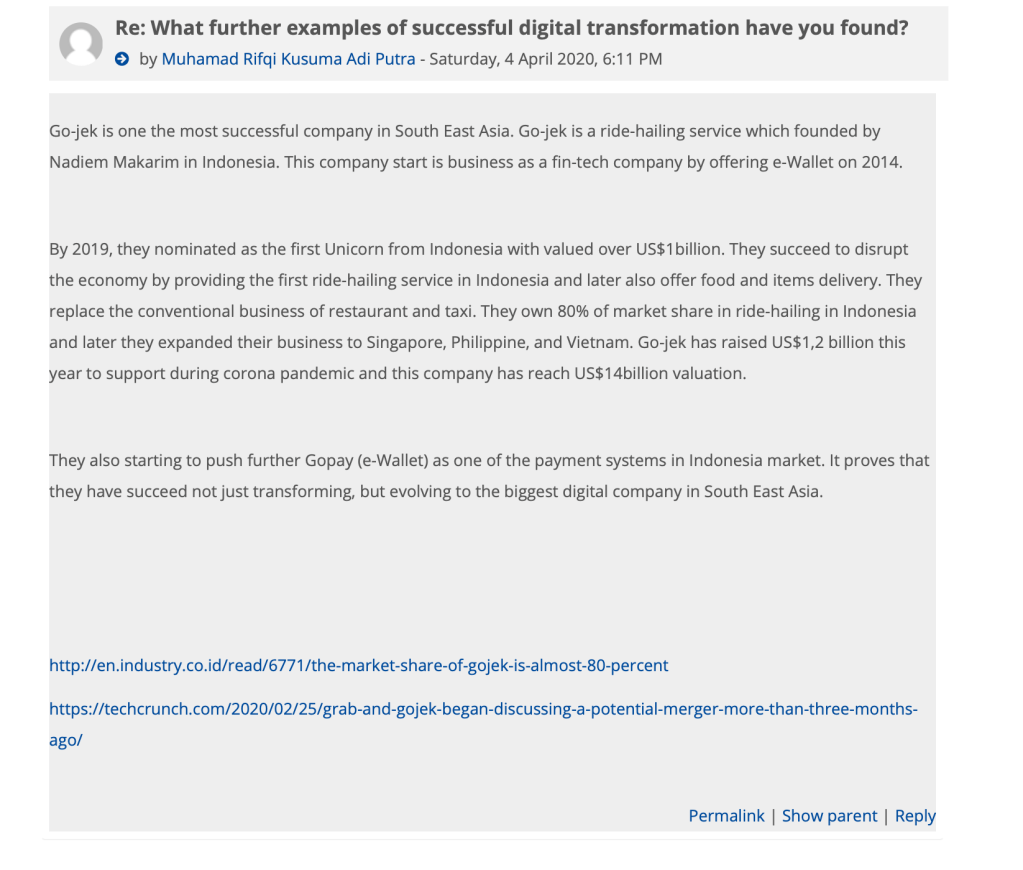

Furthermore, a discussion about business model plan gives me more spectrum to understanding how digital has been disrupted and changes all the playing field in the business. Spotify, Netflix, Google, Facebook, Amazon are among the leader in their field, and all of them are digital companies.
The nature of knowledge is altering with the enhancement of digital literacies; hence we should adapt. We cannot legislate web per-se, but we can encourage people to be careful with online security. The world needs a consensus to regulate ethical code in the web (LSE) to protect the user from ethical fraud.
To conclude, I can obtain and bring forward from this module are critical thinking construction and various web-based platform tool to enhance my skill in organization. Thank you Lisa and Exeter for this wonderful module.
Reference
Lea, M. R., & Jones, S. (2011). Digital literacies in higher education: exploring textual and technological practice. Studies in higher education, 36(4), 377-393. https://doi.org/10.1080/03075071003664021
LSE Blog, 2019, Retrieved April 3, 2020 from https://blogs.lse.ac.uk/medialse/2019/04/05/what-do-we-talk-about-when-we-talk-about-internet-regulation/
Link to comment
Article 1
How technology changes the nature of selling
Article 2
The Strategy of Fore Coffee in Utilizing Digital Business Models for its Success in Indonesia
https://cx223.wordpress.com/2020/02/23/how-does-spotify-success-in-its-digital-business-model/

 a chunk of idea